


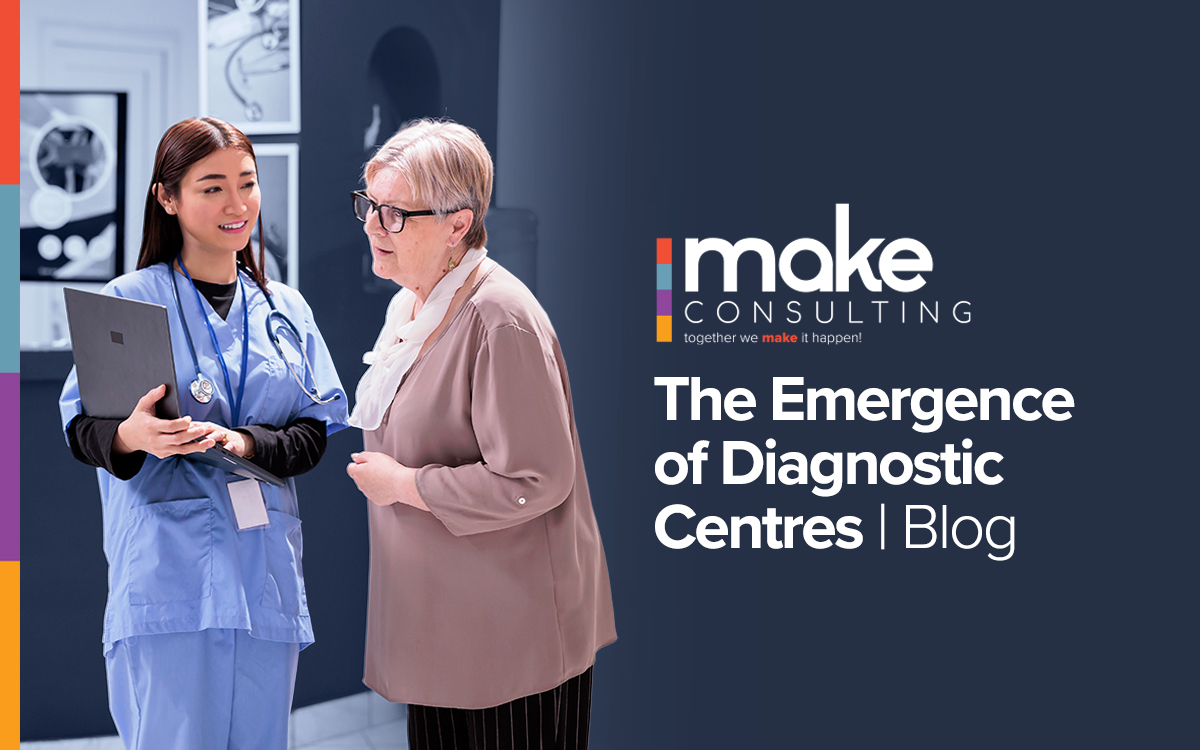
Across the UK, the emergence of Community Diagnostic Centres is reshaping how healthcare diagnostics are delivered. These facilities represent a deliberate shift away from relying solely on acute hospitals, instead bringing vital diagnostic services closer to where people live and work. For regions such as Nottinghamshire, Derbyshire and the wider Midlands, this approach is already proving its value, with centres opening in accessible locations including towns and cities like Derby, Chesterfield, Nottingham, Lincoln, Stoke-on-Trent, Matlock & Buxton.
Community Diagnostic Centres were introduced following a major NHS review in the wake of the pandemic, which highlighted the urgent need to tackle growing diagnostic backlogs and improve early detection of serious illness. By separating routine and elective diagnostics from busy hospital environments, these centres help relieve pressure on acute services while improving patient access to tests.
At their core, these centres are designed as one stop diagnostic hubs. Patients are typically referred by their GP or a hospital consultant and attend appointments in community based settings such as retail parks, shopping centres or local hospitals. Services commonly include MRI and CT scanning, X ray, ultrasound, blood testing, audiology and other essential investigations. This model reduces cancellations caused by emergency hospital demand and allows diagnostics to run more efficiently.
The benefits for patients are clear. Shorter waiting times, easier travel, and more flexible appointment options all contribute to a better overall experience. Earlier access to testing supports faster diagnosis of conditions such as cancer and heart disease, improving outcomes and reducing long term strain on the health system. Importantly, community locations also help address health inequalities by making services more accessible to a broader population.
From a system perspective, Community Diagnostic Centres play a critical role in increasing national diagnostic capacity. Backed by a multi billion pound government investment programme, they form a key part of the long term strategy of NHS to deliver millions of additional tests each year. Early results have shown significant increases in imaging and non imaging activity, demonstrating the effectiveness of decentralised diagnostics.
For healthcare estates and infrastructure specialists, this shift presents both opportunity and responsibility. Delivering successful diagnostic centres requires careful planning, compliance, and integration with existing services, while ensuring buildings are flexible, efficient and future ready. As Community Diagnostic Centres continue to expand across towns and cities, they are set to become a permanent and vital part of the UK healthcare landscape, improving access, outcomes and resilience across the system.
Make Consulting have recently been involved in the £4.5m new build CDC facility at Walton Hospital and following the success of this we have been retained for the Phase 2 scheme which is now underway. This involves the introduction of MRI and CT scan facilities which further enhances to provision for the local community.
Blog by Brad Hart, Senior Quantity Surveyor