Having witnessed a wide range of situations in my line of work, my experience in damp and mould surveys has been rather eye-opening!
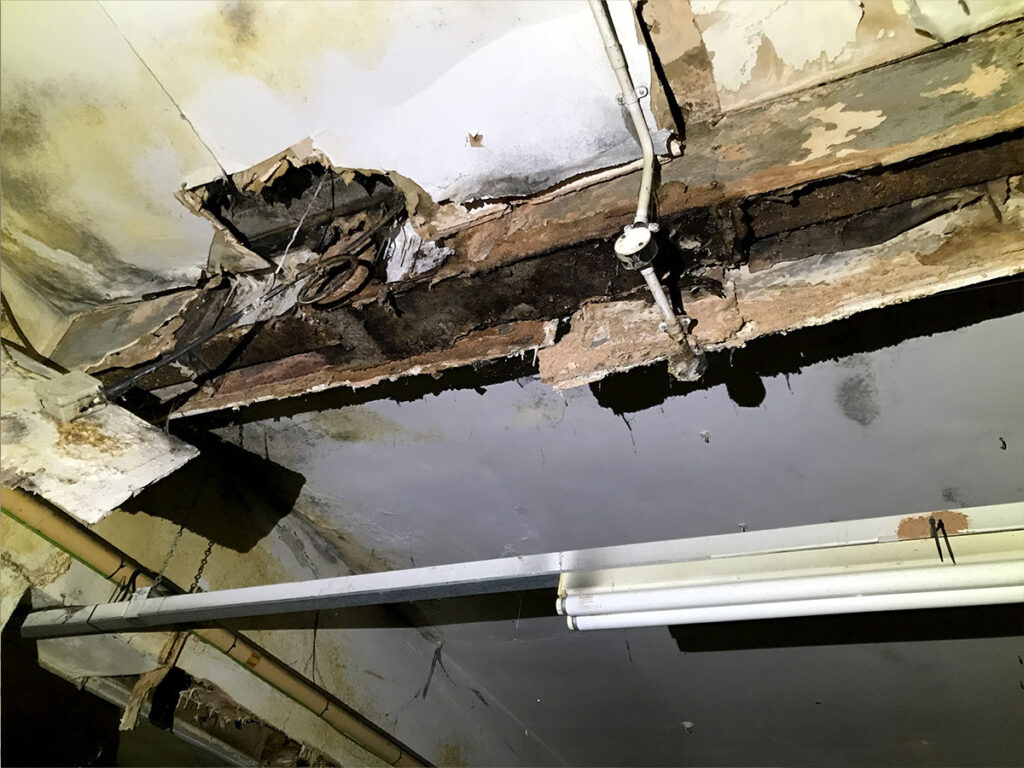
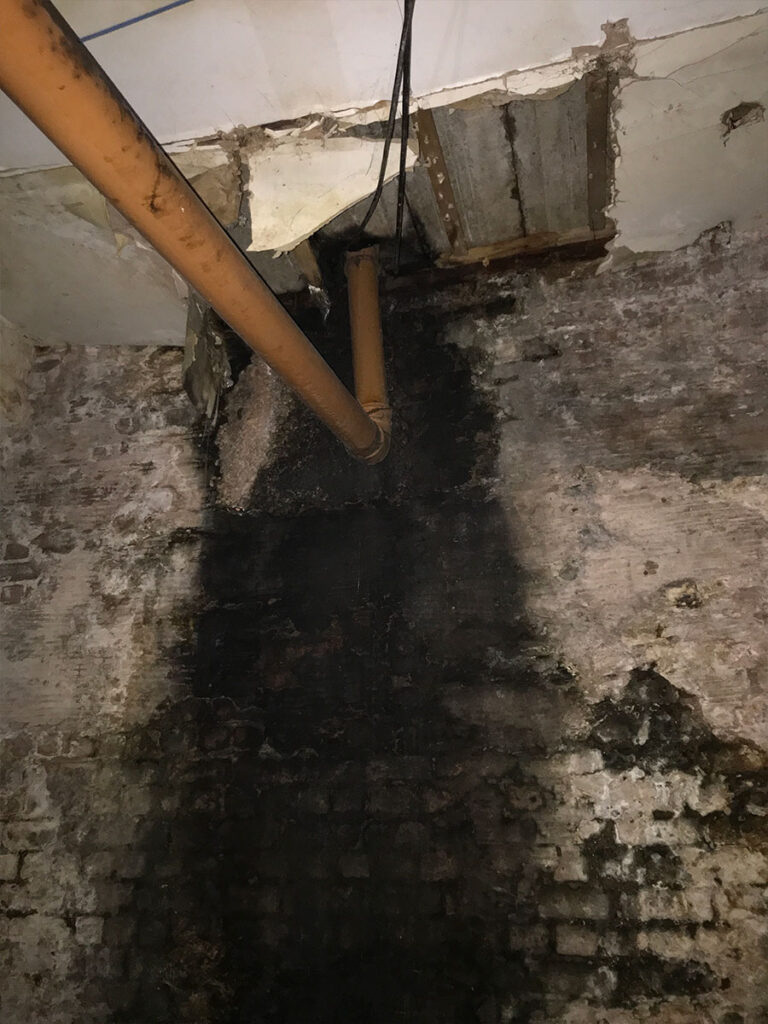
From encountering flooded cellars with sewer water and walls engulfed by black spot mould, to discovering blocked internal soil stacks from adjoining leaseholders that contaminated and flooded the flats below. There were even instances where persistent leaking of drainage goods caused complete absence of timber suspended floors. And let’s not forget about in-situ concrete affected by penetrating damp, resulting in concrete deterioration and the formation of calthemites.
I’m Dan, and my role involves conducting damp and mould surveys in social housing and commercial buildings on behalf of the freeholder. I’m responsible for providing freeholders with valuable insights on asset protection, maintenance, and repair. Additionally, I strive to educate leaseholders on maintaining excellent internal air quality and managing outbreaks of blackspot mould.
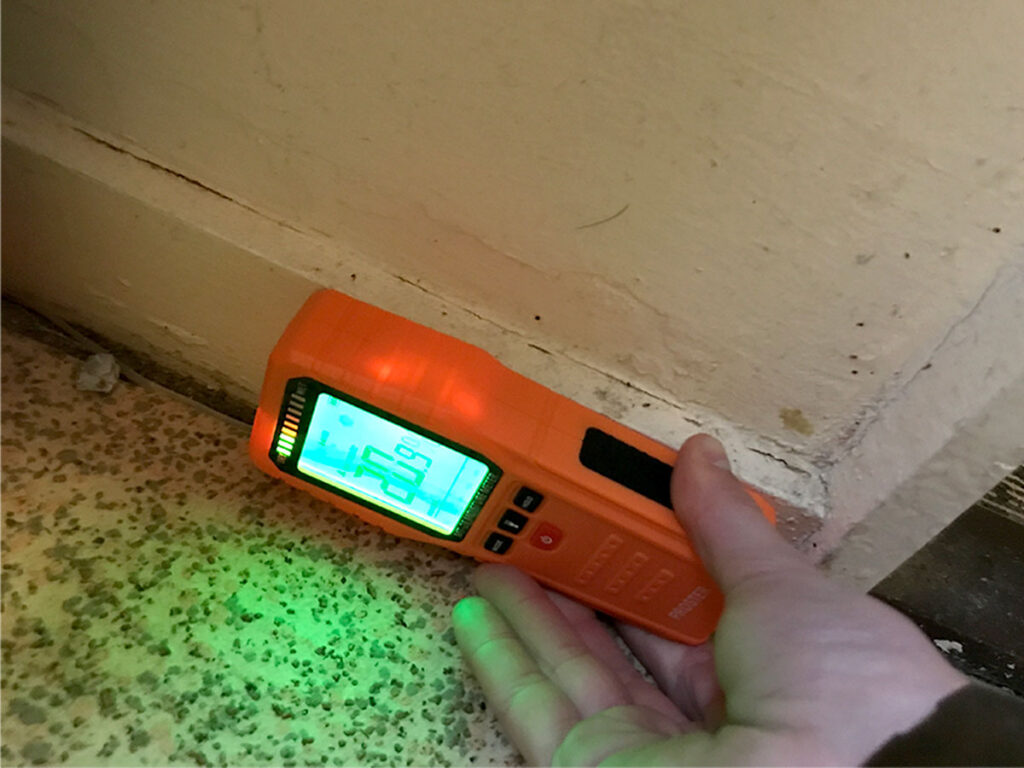
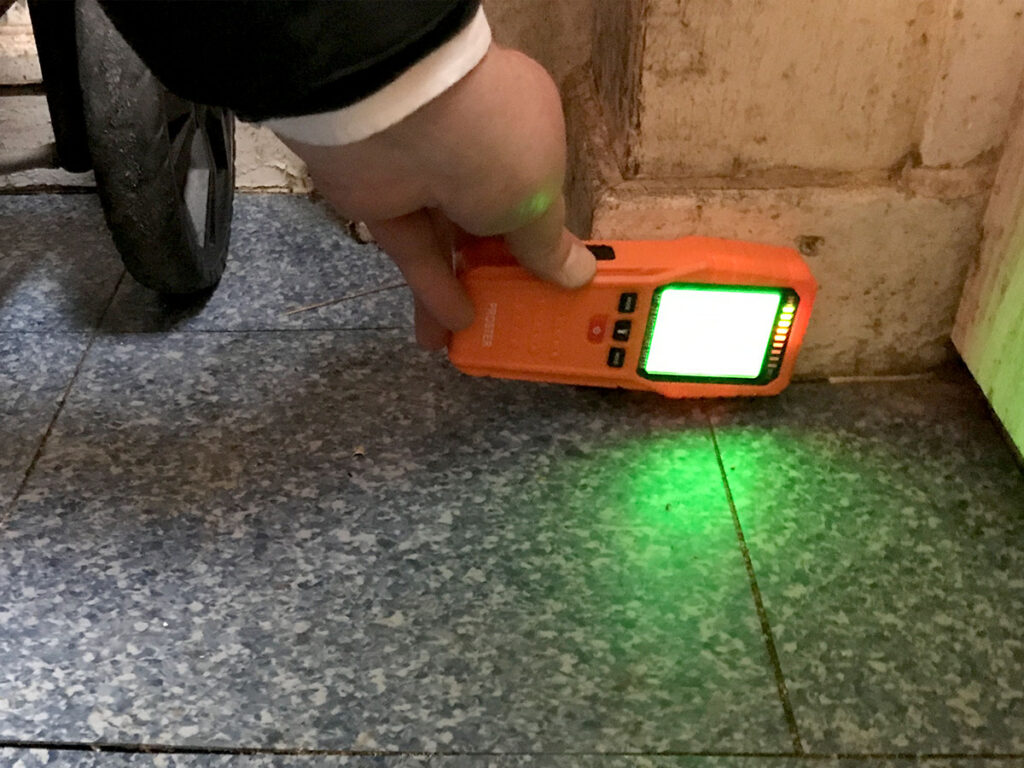
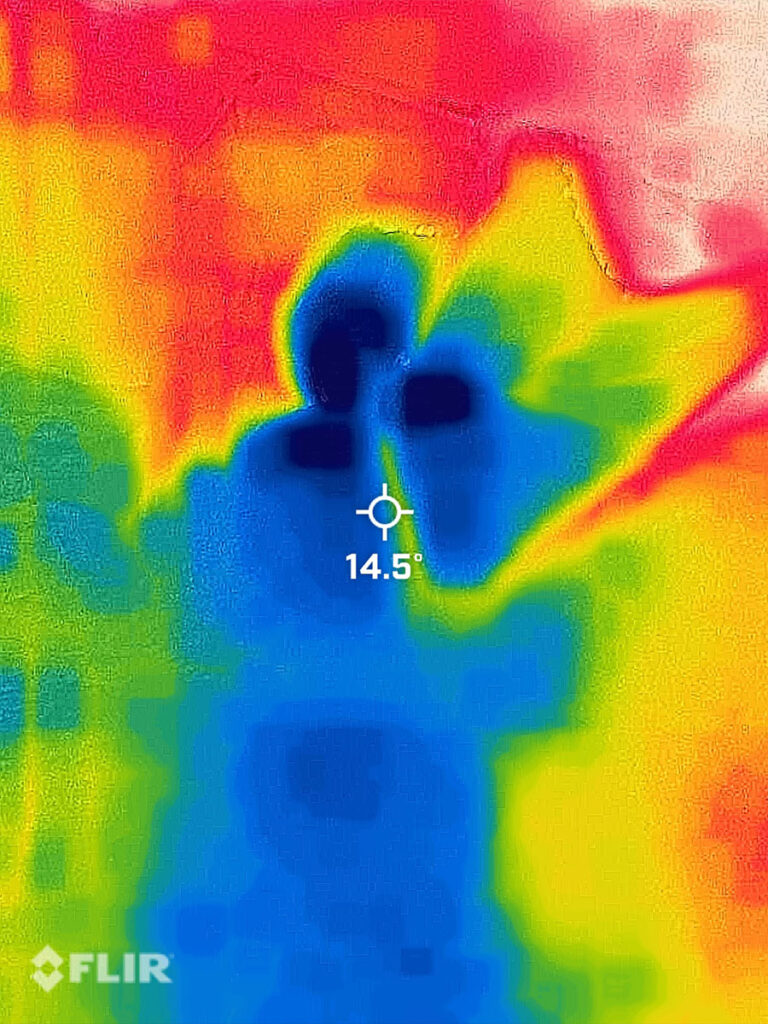
My survey process includes testing for dampness on soft wood surfaces using a capacitance protimeter. I also utilise temperature readings to identify potential condensation areas and cold spots. To track internal air quality, air temperature, relative humidity, and the dew point, I rely on a psychrometer. Additionally, I employ digital thermography to map cold spots across walls, ceilings, or floors. By combining all this data, I can accurately assess and quantify damp and mould issues.
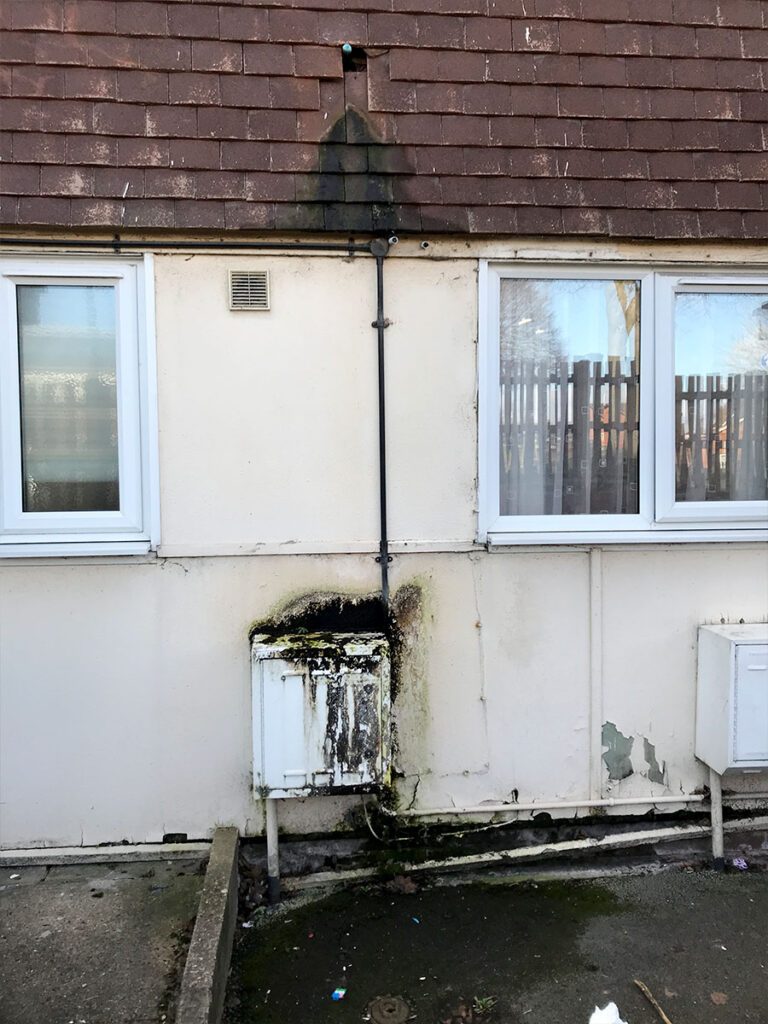
By employing a visual inspection alongside the described testing methodology, I can effectively diagnose the cause of damp and mould problems and provide appropriate remediation solutions. I find immense satisfaction in this line of work, as it allows me to help the individuals I encounter along the way.